


-

Add: HeBei ShengShi HongBang Cellulose Technology CO.,LTD.
-

Email
13180486930@163.com -

CONTACT US
+86 13180486930

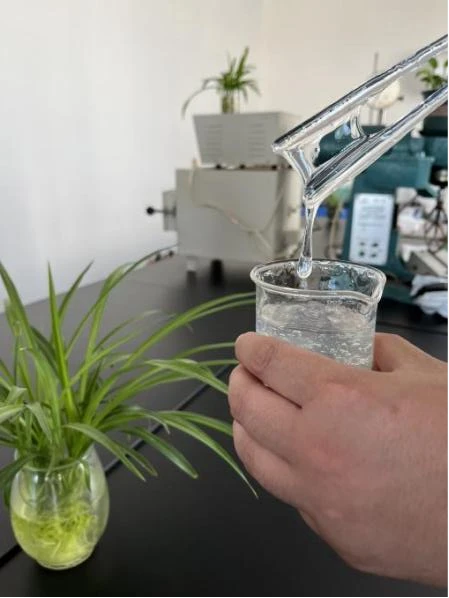


Jute synthetic fiber represents a groundbreaking innovation in the textile industry, blending traditional natural fibers with modern synthetic technology to create a versatile and eco-friendly product. Combining the historical significance of jute with the cutting-edge benefits of synthetic fibers, this blend is revolutionizing the textile realm through durability, environmental sustainability, and economic feasibility. Historically, jute has been a staple natural fiber, known for its strength and biodegradability, extensively used in making ropes, sacks, and coarse cloth. The transition to incorporating synthetic elements aims to overcome some of the limitations inherent in natural jute, such as susceptibility to moisture and its relatively coarse texture. By infusing jute with synthetic fibers, manufacturers have managed to retain the desirable properties of natural jute—such as its biodegradability and strength—while enhancing its resilience to wear and tear and offering a smoother texture. In the realm of experience, consumers and industry experts alike note improvements in the tactile experience of jute synthetic fiber products. Unlike pure jute products, the blended fibers offer enhanced comfort and usability in apparel and home textiles, making them more appealing to a broader audience. Users have reported that jute synthetic fiber maintains its structure and appearance even after prolonged use, offering a longer-lasting alternative to traditional jute products. From an expert perspective, the synthesis of jute with synthetic materials involves advanced technological processes and precise scientific formulations to ensure that the integrity of the natural fiber is maintained while enhancing its properties. Manufacturers are utilizing state-of-the-art technologies like nanotechnology to achieve fiber uniformity and strength. This includes controlling the molecular amalgamation of synthetic polymers with jute at microscopic levels to precisely tailor the fabric’s properties, such as elasticity, texture, and water resistance. jute synthetic fibre The authoritativeness of jute synthetic fiber in the industry is backed by numerous studies and endorsements from environmental organizations. With increasing global emphasis on reducing natural resource exploitation and minimizing environmental footprints, this hybrid fiber addresses crucial sustainability issues. Studies have evidenced that products made from jute synthetic fiber require less water and pesticides during crop cultivation compared to cotton and other natural fibers, and the lifecycle analysis shows a reduction in carbon emissions due to its enhanced durability and recyclability. Trustworthiness comes from the transparent production processes adopted by companies pioneering this material. Leading firms are investing in open-source research and collaborating with environmental NGOs to ensure ethical sourcing and manufacturing processes, thus providing end consumers with products they can trust. Certifications from international textile standard organizations further cement the reliability of jute synthetic fibers as a sustainable choice in an increasingly eco-conscious market. In product-specific applications, jute synthetic fibers are gaining traction in a variety of areas . In the fashion industry, they are used to create eco-friendly clothing and accessories that are not only stylish but come with enhanced longevity and are kinder to the environment compared to conventional materials. In furnishings, they are utilized for making carpets and curtains that combine the rustic appeal of natural jute with the sleek finish and robustness inherent in synthetic fibers. Additionally, this unique fiber blend has found applications in industrial sectors for producing geotextiles, which aid in erosion control and landscaping, offering an economically viable and environmentally sustainable option. Ultimately, the fusion of jute with synthetic fiber is more than just a trend; it’s a response to modern demands for sustainability, performance, and responsibility within the textile industry. As both industries and consumers pivot towards more sustainable choices, jute synthetic fiber stands at the forefront, providing innovative solutions that marry the past's practicality with the future's innovation. Whether you're a manufacturer, designer or consumer, the adoption of jute synthetic fiber signifies not just an investment in quality and sustainability, but also a commitment to supporting a more environmentally friendly and socially responsible future.
- 40000tons

Production
- 20+years

Experience
- 5000+㎡

Acreage

-
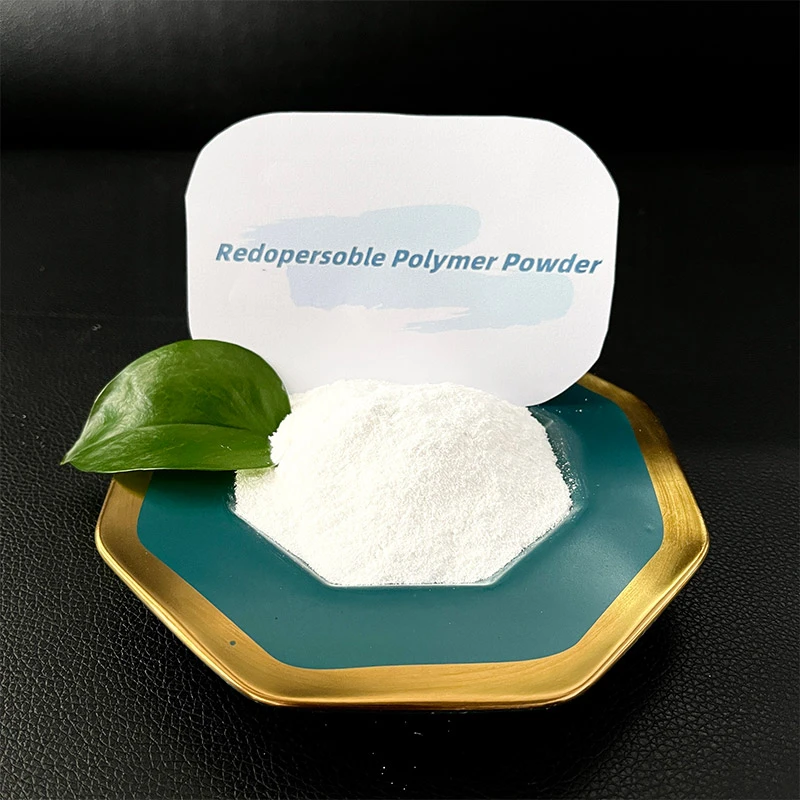
Starch derivatives are a vital component in a myriad of industries, offering versatility and functionality that goes beyond what native starches can provide. These modified starches are tailored to enhance the properties needed for specific applications, thus meeting the stringent requirements of modern production processes. In this exploration of starch derivatives, several notable examples are highlighted, showcasing their diverse applications and benefits. One exemplary starch derivative is ethylated starch , extensively utilized in the paper industry. This starch modification involves the introduction of ethyl groups into the starch molecule, resulting in improved water resistance and adhesive properties. Its significant utility lies in producing high-quality paper products with enhanced printability and durability. The ethylation process not only boosts the hydrophobic characteristics of starch but also provides a smooth paper surface, thus effectively enhancing the ink absorption and reducing feathering during the printing process. Another prominent example is oxidized starch, frequently employed in the textile industry. By subjecting native starch to controlled oxidation, the resulting derivative possesses a lower viscosity and improved film-forming properties. This transformation is particularly pivotal in textile warp sizing, where oxidized starch ensures smooth running of high-speed looms by reducing yarn breakage. Moreover, it lends a softer hand to fabrics, enhancing the overall texture and feel, and is easily washed out of fabrics, ensuring no residue remains after processing. In the realm of food production, maltodextrins serve as a prime example of starch derivatives that have found widespread acceptance. Produced by the partial hydrolysis of starch, maltodextrins are valued for their ability to improve the mouthfeel and solubility of various food products. They function as excellent fat replacers, bulking agents, and carriers for flavors, making them indispensable in the creation of low-calorie foods and beverages. Their easy digestibility and rapid energy supply are particularly beneficial in sports drinks and nutritional supplements, offering consumers the dual benefits of flavor enhancement and nutritional fortification. starch derivatives examples Further advancing into the pharmaceutical and cosmetic industries, hydroxypropyl starch represents a well-utilized derivative known for its film-forming capabilities and enhanced stability. This starch is produced by inserting hydroxypropyl groups into the starch chain, which improves its binding capacity and moisture retention. In pharmaceuticals, it acts as an effective excipient, aiding tablet binding and disintegration. Meanwhile, in cosmetics, hydroxypropyl starch is incorporated into formulations to create protective films on the skin, offering hydration and a silky, smooth feel without clogging pores. Finally, acetylated distarch adipate is spotlighted for its role in frozen foods. This starch derivative involves the introduction of both adipic acid and acetic anhydride, offering superior freeze-thaw stability and maintaining texture integrity upon thawing. It is particularly effective in frozen pie fillings, sauces, and gravies, where maintaining consistency and quality through temperature fluctuations is critical. Each of these starch derivatives exemplifies the intricate modifications that expand the functionality of starch beyond its conventional uses. By doing so, industries can address specific production challenges while delivering products that meet consumer expectations for quality and performance. The adaptability of starch derivatives ensures their continued relevance and importance in an ever-evolving marketplace, highlighting the necessity of ongoing innovation to meet the dynamic demands across various sectors. As research expands, it is expected that new derivatives will emerge, further augmenting the versatility of starch in industrial applications.
-
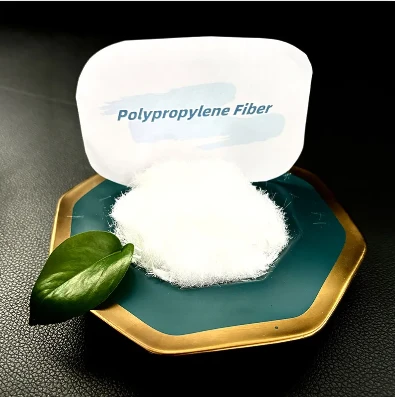
Understanding Polypropylene Fibers for Concrete Slabs Enhancing Durability and Performance In the realm of construction, the search for materials that enhance the durability and overall performance of concrete structures is a constant pursuit. Among various innovative solutions, polypropylene fibers have emerged as an effective reinforcement medium, particularly in the context of concrete slabs or soleras. This article explores the characteristics, benefits, applications, and considerations of using polypropylene fibers in concrete mixtures, shedding light on their significance in modern construction. What are Polypropylene Fibers? Polypropylene fibers are synthetic fibers derived from the polymerization of propylene monomers. These fibers are lightweight, resistant to chemical degradation, and have excellent tensile strength. Due to their inherent properties, they have been increasingly used in various construction applications, particularly as additives in concrete mixes. When integrated into concrete, polypropylenes create a three-dimensional matrix that enhances the material's integrity. Benefits of Using Polypropylene Fibers in Concrete Slabs 1. Reduced Cracking One of the primary advantages of incorporating polypropylene fibers into concrete slabs is the significant reduction in plastic and shrinkage cracking. Concrete is susceptible to cracking as it cures due to temperature variations and drying shrinkage. Polypropylene fibers help to distribute stress more evenly, effectively reducing the likelihood of cracks forming. 2. Improved Impact Resistance The addition of polypropylene fibers enhances the impact resistance of concrete slabs. This is particularly beneficial in applications where heavy loads or foot traffic are expected, such as industrial floors, warehouses, and parking garages. The fibers absorb and dissipate energy during impact, reducing damage and extending the lifespan of the flooring. 3. Enhanced Durability Polypropylene fibers contribute to the long-term durability of concrete. They help to mitigate the adverse effects of environmental factors such as freeze-thaw cycles, moisture penetration, and the corrosive actions of de-icing salts. This is crucial for structures exposed to harsh environmental conditions. 4. Lightweight and Cost-effective Compared to traditional steel reinforcement methods, polypropylene fibers are lightweight and generally more cost-effective . Their ease of incorporation into the mixing process minimizes labor costs and simplifies transportation and handling. 5. Aesthetic Benefits When polypropylene fibers are used in concrete mixtures, they can help provide a more uniform and aesthetically pleasing finish. The fibers can be evenly dispersed throughout the concrete, contributing to a consistent appearance and reducing surface imperfections. fibras de polipropileno para solera Applications in Concrete Construction Polypropylene fibers are versatile and can be used in various concrete applications. Some notable examples include - Industrial Floors In warehouses and factories, durable floors that can withstand heavy machinery and foot traffic are essential. Polypropylene fibers enhance the robustness of these slabs, reducing maintenance costs and downtime due to repairs. - Decorative Concrete In decorative concrete applications, such as stamped or colored concrete, polypropylene fibers can improve the structural integrity while allowing for creative design without compromising strength. - Pavements and Sidewalks The addition of polypropylene fibers to pavements and sidewalks helps to increase their lifespan, reduce maintenance, and improve overall performance against environmental stressors. Considerations for Use While polypropylene fibers offer numerous benefits, several considerations should be taken into account. Proper dosage is crucial; excessive amounts may lead to workability issues during mixing and placement. It is also essential to ensure that the selected fibers are compatible with the specific concrete mix design and any other additives being used. Furthermore, thorough testing should be conducted to understand how polypropylene fibers will interact with the specific conditions of the intended application, including environmental exposure and load requirements. Collaborating with concrete specialists can help optimize the use of polypropylene fibers for desired outcomes. Conclusion In conclusion, the integration of polypropylene fibers in concrete slabs presents a myriad of benefits that enhance performance, durability, and aesthetic appeal. As construction continues to evolve, the adoption of such innovative materials will be paramount in meeting the demands of modern infrastructure. With ongoing research and development, polypropylene fibers stand to play a significant role in improving concrete technology, ensuring stronger, more resilient structures for the future. Embracing these advancements not only promotes economic efficiency but also plays a vital role in sustainable building practices.
advantages
-

200000 Viscosities
Excellent product
We can produce pure products up to 200,000 viscosities
-

40000 tons
High yield
We don’t stop production all year round, and the annual output can reach 40,000 tons
-

24 hours
Quality service
We provide 24-hours online reception service, welcome to consult at any time
———— Inquiry Form
Schedule A services

-
 tagapagtustos_ng_hydroxypropylmethylcellulose
Oct . 25, 2025
Powder coating rubber might sound like a niche or a novelty in the world of surface finishing, but i -
 hydroxypropyl_methylcellulose_2
Oct . 25, 2025
HPMC E5 LV, connu sous le nom de hydroxypropylméthylcellulose, est un polymère essentiel dans l'indu -
 pp_fiber_price
Oct . 25, 2025
Rubber powder, often identified by its industry code as Rubber Powder-821, is garnering attention fo


